- Free Consultation: (813) 222-2220 Tap Here to Call Us


Pinellas County Flock ALPR Camera Lawyer


Spy Camera Map of Pinellas County
Pinellas County Flock Camera Lawyer | Defending Cases Built on ALPR Surveillance
By W.F. “Casey” Ebsary, Jr. – Florida Bar Board Certified Criminal Trial Lawyer
If you were stopped, arrested, or investigated after your vehicle was identified by a Flock Safety camera or another Automated License Plate Reader (ALPR), you may be wondering how law enforcement tracked your movements so quickly. As a Board Certified Criminal Trial Lawyer, I have seen technology become an increasingly important part of criminal investigations. Today, police agencies throughout Pinellas County and the Tampa Bay area rely on sophisticated camera systems capable of identifying vehicles, recording their locations, and generating investigative leads in seconds.
Modern surveillance technology has changed criminal investigations, but it has not eliminated your constitutional rights. Every traffic stop, every search, and every arrest must still comply with the Fourth Amendment that prohibits Illegal Search and Seizure and the protections guaranteed by the United States and Florida Constitutions. Whether evidence collected through automated surveillance is admissible depends on the specific facts of each case and the applicable law.
If you have been charged with a crime after investigators relied on Flock Safety cameras, automated license plate readers, or other digital surveillance technology, I encourage you to contact me as soon as possible. Early intervention often provides the greatest opportunity to preserve evidence, identify constitutional issues, and develop an effective defense strategy.
Learn more about my experience: https://www.centrallaw.com/lawyers/w-f-casey-ebsary-jr/
Schedule a confidential consultation: https://www.centrallaw.com/contact-us/
How Are Flock Safety Cameras Used in Pinellas County?
Flock Safety cameras are designed to assist law enforcement by automatically identifying and recording vehicles that pass within the camera’s field of view. Unlike traditional security cameras that continuously record video, these systems capture images when a vehicle passes the camera and use software to analyze identifying characteristics.
Throughout Pinellas County, including Clearwater, St. Petersburg, Largo, Pinellas Park, Seminole, Dunedin, Safety Harbor, Tarpon Springs, Palm Harbor, Gulfport, and neighboring communities, law enforcement agencies increasingly utilize technology that can rapidly compare captured vehicle information against databases of vehicles associated with ongoing investigations or public safety alerts.
From a criminal defense perspective, one important distinction is that these systems typically generate investigative leads—not automatic proof of criminal activity. A camera alert may provide officers with information to investigate further, but it does not eliminate the constitutional requirements governing traffic stops, searches, or arrests.
What Is an Automated License Plate Reader (ALPR)?
An Automated License Plate Reader, commonly called an ALPR, is a specialized camera system that captures images of passing vehicles and uses Optical Character Recognition (OCR) software to identify license plate numbers. Many systems also record additional information about the vehicle, including characteristics such as make, model, color, and other visible features.
Rather than replacing police investigations, ALPR technology allows investigators to search large volumes of vehicle sightings more efficiently. Officers may use this information to locate stolen vehicles, identify vehicles connected to criminal investigations, or develop investigative timelines.
As technology has evolved, many systems have expanded beyond simply reading license plates. Some platforms analyze what manufacturers describe as a vehicle’s “fingerprint,” which may include visible characteristics that help distinguish one vehicle from another even when multiple vehicles share similar appearances.
Why Are ALPR Systems Becoming So Common?
The increasing use of automated surveillance reflects broader changes in modern policing. Digital evidence now plays a role in many criminal investigations involving:
| Investigation Type | Potential Role of ALPR Technology |
|---|---|
| Stolen vehicle investigations | Identifying vehicles reported stolen |
| Violent crime investigations | Developing investigative leads |
| Robbery investigations | Establishing possible vehicle movements |
| Missing person investigations | Locating vehicles associated with missing individuals |
| Fugitive investigations | Assisting officers in locating wanted persons |
| Traffic investigations | Identifying vehicles observed during reported incidents including DUI |
Although these systems provide valuable investigative tools, technology is not infallible. Cameras capture information based upon lighting conditions, camera placement, weather, vehicle speed, image quality, and software interpretation. as a DUI Defense Lawyer, I also know those factors may become significant issues when evaluating whether investigators correctly identified a particular vehicle.
Can Police Stop a Vehicle Based on a Camera Alert?
This is one of the most common questions I receive. The answer depends upon the specific facts known to the officer at the time of the stop. A camera alert may provide information that contributes to an officer’s decision-making, but whether a traffic stop satisfies constitutional requirements depends upon the totality of the circumstances and the applicable law.
In many cases, one of the first questions I examine is exactly what information officers possessed before initiating the stop. I also evaluate how the information was generated, whether additional investigation occurred before law enforcement acted, and whether the evidence ultimately supports the government’s actions.
Every case is different. A careful review of dispatch records, reports, body camera footage, in-car video, computer-aided dispatch logs, and available digital evidence is often necessary before meaningful legal conclusions can be reached.
How Does Vehicle Identification Technology Actually Work?
Although the underlying technology is sophisticated, the process generally follows several basic steps. First, a camera captures one or more images as a vehicle passes through its field of view. Next, software analyzes the images to identify the license plate and visible vehicle characteristics.
The captured information may then be compared with databases available to the investigating agency. Depending upon agency policies and system configuration, investigators may receive notifications if the vehicle appears to match information contained within those databases.
Finally, officers determine whether additional investigation is appropriate. Importantly, the technology assists investigators—it does not independently establish probable cause or determine whether someone has committed a crime.
What Information May Be Associated With an ALPR Capture?
Depending upon the specific system and agency configuration, an ALPR record may include information such as:
| Data Category | Possible Information Captured |
|---|---|
| Vehicle Identification | License plate number, issuing state |
| Vehicle Description | Make, model, color, body style |
| Time Information | Date and time of observation |
| Location Information | Camera location where image was captured |
| Image Data | Photographs of the vehicle |
| Investigative Information | Potential database matches, depending upon agency configuration |
Exactly what information is retained—and for how long—depends on the specific technology, agency policies, contracts, and applicable legal requirements.
Why Digital Evidence Requires Careful Legal Analysis
Many people assume that computer-generated evidence is automatically accurate. My experience has taught me otherwise. Digital evidence often appears objective, but every technological system depends upon hardware, software, maintenance, configuration, human operation, and interpretation. Investigators still make decisions regarding how information is collected, analyzed, preserved, and ultimately presented in court.
As a criminal defense lawyer, I examine every stage of that process. Depending upon the circumstances, important questions may include:
- Was the vehicle correctly identified?
- Were officers relying upon accurate information?
- Was the technology functioning properly?
- Were proper investigative procedures followed?
- Were constitutional protections respected throughout the investigation?
The answers to those questions frequently determine whether digital evidence strengthens—or weakens—the prosecution’s case.
ALPR In Depth Discussion Continues
The next section will cover:
- Fourth Amendment challenges to ALPR evidence
- Can Flock camera evidence be suppressed?
- Discovery requests in digital surveillance cases
- OCR errors and mistaken vehicle identification
- Data retention and historical vehicle tracking
- Defense strategies for challenging automated surveillance
- Motion to suppress issues
- Practical courtroom considerations for Florida criminal cases
Can Flock Camera Evidence Be Challenged in Court?
Absolutely. One of the biggest misconceptions I hear is that evidence generated by technology is automatically accurate or automatically admissible. That is simply not how our criminal justice system works. Digital evidence, like any other evidence, must satisfy constitutional requirements and the applicable rules governing its admissibility. As a Board Certified Criminal Trial Lawyer, I carefully examine every stage of the government’s investigation before determining whether the evidence can be challenged.
No two cases are alike. The legality of a traffic stop or arrest involving automated surveillance depends on the unique facts, the officer’s observations, the reliability of the technology, and whether law enforcement complied with constitutional protections throughout the investigation.
Does the Fourth Amendment Still Protect Drivers?
Yes. The Fourth Amendment continues to protect individuals from unreasonable searches and seizures, even as technology becomes more sophisticated. While courts have recognized that license plates are displayed publicly, constitutional questions may arise depending on how surveillance technology is used and how investigators rely upon the information it produces.
In my practice, I begin by evaluating whether law enforcement had sufficient legal justification for every step of the investigation. Even when officers receive information from automated systems, they must still comply with constitutional standards before conducting a stop, search, or arrest.
“Simply because technology exists does not mean constitutional safeguards disappear.”
Casey the Lawyer
Can Automated Surveillance Lead to Mistaken Vehicle Identification?
It can. Like every computerized system, Automated License Plate Readers depend on hardware, software, environmental conditions, and human interpretation. Cameras may encounter poor lighting, rain, glare, obstructed license plates, vehicle speed, or other factors that affect image quality.
Even when a license plate is read correctly, investigators may still have to determine whether the vehicle observed by the camera is actually connected to the criminal investigation. Similar vehicles, matching colors, altered plates, or incomplete information can complicate an investigation and become important issues during litigation.
One of my responsibilities is determining whether investigators reached conclusions supported by reliable evidence—or whether assumptions replaced proof.
Why Is Discovery So Important in Digital Evidence Cases?
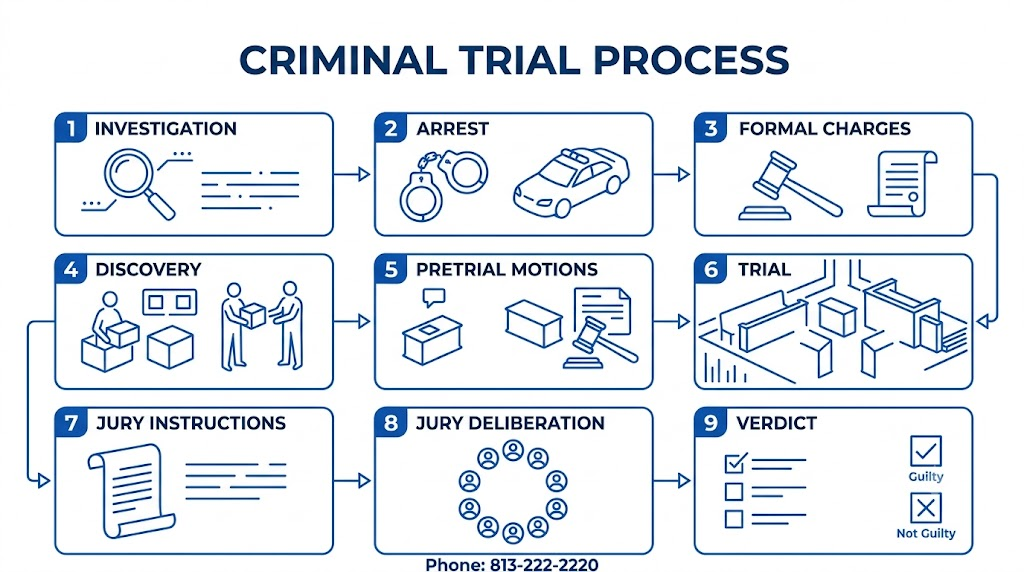
Many of the most important facts in a surveillance case are not contained in the arrest report. Discovery often provides access to additional materials that help explain how investigators reached their conclusions. Depending on the circumstances of the case, discovery may include dispatch communications, body camera recordings, in-car video, photographs, investigative reports, digital evidence logs, and other materials maintained by law enforcement.
Reviewing this information carefully often reveals timelines, inconsistencies, or investigative decisions that deserve closer examination. Every document tells part of the story, and it is my job to assemble the complete picture before advising a client or litigating constitutional issues.
What Questions Should a Defense Attorney Ask About Digital Evidence?
Whenever technology plays a significant role in an investigation, I ask numerous questions before accepting the government’s conclusions.
| Investigation Question | Why It Matters |
|---|---|
| How was the vehicle identified? | Helps determine whether investigators relied upon reliable information. |
| What information existed before the traffic stop? | Evaluates whether officers possessed sufficient legal justification. |
| Were additional investigative steps taken? | Determines whether police corroborated automated information. |
| Is the digital evidence complete? | Missing records can affect the reliability of the investigation. |
| Are all timelines consistent? | Conflicting timestamps may become important during litigation. |
| Was evidence properly preserved? | Preservation issues may affect admissibility or weight of the evidence. |
These questions are only the beginning. Every investigation presents unique factual and legal issues requiring individualized analysis.
Can Historical Vehicle Tracking Become an Issue?
One of the most significant developments in modern investigations involves the ability to review historical digital information. Depending upon the technology involved and the information available to investigators, digital records may assist law enforcement in reconstructing portions of an investigation or developing timelines. As surveillance technology continues to evolve, courts continue to evaluate how constitutional protections apply to increasingly sophisticated methods of collecting and analyzing digital information.
Because the law continues to develop in this area, every case should be evaluated individually. Constitutional arguments that may apply in one investigation may not apply in another.
Can a Motion to Suppress Be Filed?
Sometimes. A motion to suppress asks the court to exclude evidence that was obtained in violation of constitutional protections or other legal requirements. Whether filing such a motion is appropriate depends entirely upon the facts of the case, the applicable law, and the evidence available after discovery.
When I evaluate a potential suppression issue, I examine the entire sequence of events—from the initial investigation through the traffic stop, detention, search, arrest, and collection of evidence. Small details often determine whether constitutional arguments are available. Successful criminal defense frequently begins long before trial.
What Role Does Technology Play at Trial?
Technology has transformed both criminal investigations and criminal trials.
Jurors increasingly expect to see digital evidence, photographs, surveillance footage, mapping information, and electronic records. Prosecutors often use these materials to explain investigative timelines or corroborate witness testimony.
At the same time, digital evidence must still be authenticated, explained, and placed into proper context. Effective cross-examination often requires a detailed understanding of how the technology functions, what it records, what it does not record, and what assumptions investigators made when interpreting the information.
Technology should never replace careful legal analysis.
Why Experience Matters in Digital Evidence Cases
Cases involving surveillance technology frequently involve far more than reviewing a police report.
They often require analyzing investigative procedures, reviewing electronic evidence, identifying constitutional issues, preparing detailed motions, consulting technical materials when appropriate, and presenting complicated concepts in a manner judges and juries can understand.
As a Florida Bar Board Certified Criminal Trial Lawyer, I have spent decades handling complex criminal litigation. That experience allows me to evaluate not only the legal issues presented by digital evidence, but also how those issues may affect negotiations, motion practice, and ultimately trial.
Every case deserves careful preparation rather than assumptions about what technology supposedly proves.
Why Choose W.F. “Casey” Ebsary, Jr.?
If your case involves Flock Safety cameras, Automated License Plate Readers, or other forms of digital surveillance, you need more than someone who simply reviews the arrest report.
I conduct an independent evaluation of the investigation, examine the constitutional issues, review the available discovery, and identify weaknesses in the government’s evidence. My objective is to ensure that every stage of the investigation is scrutinized before important legal decisions are made.
As a Board Certified Criminal Trial Lawyer, former prosecutor, and experienced criminal defense attorney serving clients throughout Pinellas County and the Tampa Bay area, I understand both how these investigations are conducted and how they can be challenged when appropriate.
Learn more about my experience:
https://www.centrallaw.com/lawyers/w-f-casey-ebsary-jr/
Schedule a confidential consultation:
https://www.centrallaw.com/contact-us/
Frequently Asked Questions About Flock Cameras and ALPR Evidence in Pinellas County

Can Flock Safety cameras identify the driver of a vehicle?
Generally, these systems are designed to identify and document vehicles rather than determine who was operating them. Investigators may use additional evidence, such as witness statements, surveillance video, body-worn camera footage, or other investigative techniques, to determine who was driving. Whether the government can prove the identity of the driver depends on the totality of the evidence presented in each individual case.
Can Flock camera evidence be wrong?
Like any technology, automated systems are not infallible. Image quality, weather conditions, lighting, obstructed license plates, and other factors may affect the information captured by the camera. In every case involving digital surveillance, I carefully examine how investigators relied upon the technology and whether additional evidence supports the government’s conclusions.
Does a Flock camera alert automatically give police probable cause?
Not necessarily.
Whether officers had lawful grounds to stop or detain a vehicle depends on the specific facts known to them at the time they acted. Courts evaluate the totality of the circumstances, and automated information is only one factor that may be considered.
Can digital surveillance evidence be challenged?
Yes.
Digital evidence may be challenged for numerous reasons depending on the facts of the investigation. Every case requires a careful review of the available discovery, constitutional issues, investigative procedures, and the manner in which evidence was collected and preserved.
Can historical vehicle location information become important?
It can.
Digital records sometimes help investigators reconstruct portions of an investigation or establish a timeline. Whether that information becomes legally significant depends upon how it was obtained, how it was used, and the specific legal issues presented in the case.
What should I do if I believe Flock cameras were involved in my arrest?
Do not assume the government’s version of events is complete.
An experienced criminal defense attorney can review the reports, digital evidence, discovery materials, and constitutional issues before advising you about your legal options. Early representation often allows important evidence to be preserved while memories and records remain available.
Are Flock cameras used only for serious criminal investigations?
The technology may be used during a variety of investigations depending upon the policies of the agency involved and the circumstances of a particular case. The significance of the information gathered varies from one investigation to another.
Can digital evidence be excluded from trial?
Sometimes.
Whether evidence may be excluded depends upon the applicable law, the facts of the investigation, and any constitutional or evidentiary issues that arise. Every case requires an independent legal analysis before conclusions can be reached.
Why should I hire a Board Certified Criminal Trial Lawyer?
Board Certification by The Florida Bar recognizes attorneys who have demonstrated substantial experience, professionalism, peer review, and advanced competence within a specialty area of law. Criminal cases involving evolving technology often benefit from careful legal analysis, motion practice, and trial preparation.
How soon should I contact a lawyer?
Immediately.
Important evidence can disappear quickly, surveillance footage may not remain available indefinitely, and legal deadlines may affect your rights. Speaking with an attorney as early as possible allows your defense to begin before critical opportunities are lost.
Serving Clients Throughout Pinellas County
I represent clients throughout Pinellas County and the greater Tampa Bay region. Whether your case originated from a traffic stop, an automated camera alert, or another criminal investigation, I provide experienced representation in courts serving communities including:
| Community | Criminal Defense Representation |
|---|---|
| Clearwater | Criminal, DUI, and digital evidence cases |
| St. Petersburg | Felony and misdemeanor defense |
| Largo | Traffic-related and criminal investigations |
| Pinellas Park | Criminal litigation and constitutional issues |
| Seminole | DUI and criminal defense |
| Dunedin | Trial representation |
| Palm Harbor | Criminal investigations |
| Tarpon Springs | Felony and misdemeanor defense |
| Safety Harbor | Criminal trial representation |
| Gulfport | Constitutional litigation |
No matter where your case began, every investigation deserves careful review and individualized legal representation.
Why Clients Choose W.F. “Casey” Ebsary, Jr.
When prosecutors rely on technology, your defense should rely on experience.
As a Florida Bar Board Certified Criminal Trial Lawyer, I evaluate not only the evidence prosecutors intend to introduce, but also how it was obtained, preserved, and interpreted. as a Pinellas Criminal Defense Attorney, I know that modern criminal investigations increasingly involve digital surveillance, electronic records, and sophisticated investigative techniques. Successfully defending these cases requires understanding both constitutional law and the practical realities of criminal litigation.
Before recommending any strategy, I independently review the available discovery, identify potential constitutional issues, and evaluate whether the government’s evidence supports the charges. Every case receives a thorough analysis tailored to its unique facts rather than a one-size-fits-all approach.
If you have been investigated or arrested following a traffic stop involving automated surveillance technology, do not wait to learn your legal options.
Learn more about my experience:
https://www.centrallaw.com/lawyers/w-f-casey-ebsary-jr
Schedule a confidential consultation:
https://www.centrallaw.com/contact-us
Pinellas County Flock Camera Lawyer | ALPR & Digital Surveillance Defense | W.F. Casey Ebsary Jr.
Description;
Charged after a Flock Safety camera or automated license plate reader alert in Pinellas County? Learn how digital surveillance evidence may affect your case and how Board Certified Criminal Trial Lawyer W.F. Casey Ebsary Jr. analyzes ALPR investigations.
Other Links
| Topic | Link |
|---|---|
| Pinellas Criminal Defense Attorney | https://www.centrallaw.com/criminal-defense/ |
| DUI Defense Lawyer | https://www.centrallaw.com/dui-defense/ |
| Illegal Search and Seizure | https://www.centrallaw.com/criminal-defense/ |
| Attorney Profile | https://www.centrallaw.com/lawyers/w-f-casey-ebsary-jr/ |
| Contact W.F. Casey Ebsary Jr. | https://www.centrallaw.com/contact-us/ |