- Free Consultation: (813) 222-2220 Tap Here to Call Us


Can Florida Police Search Your Ring Camera or Alexa Data Video?


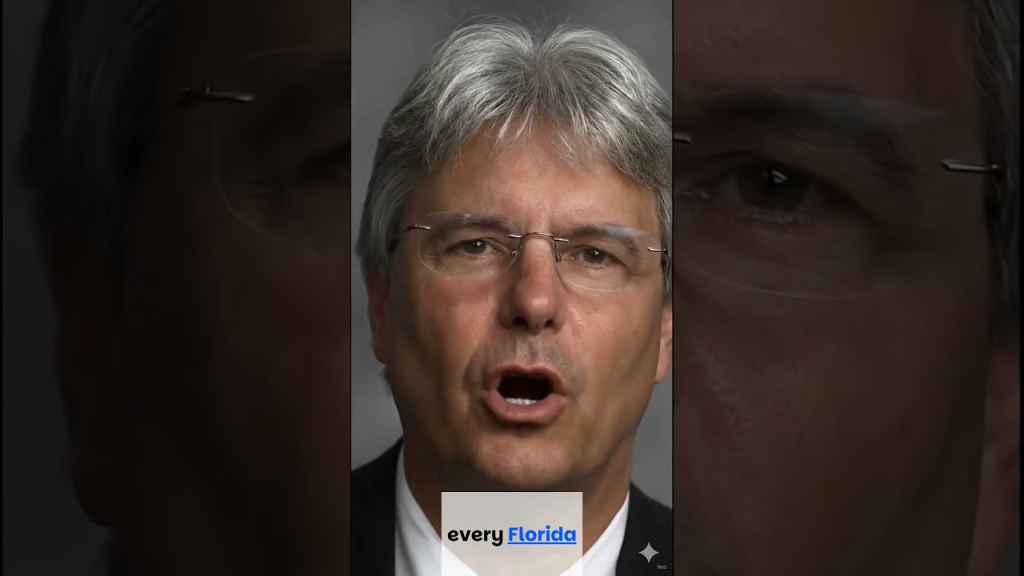
Watch the video below to learn how smart home devices, cloud storage, and digital privacy can become important issues in Florida criminal investigations.
Video Embed
Embed your YouTube or Vimeo video here.
Your Smart Home May Hold More Data Than You Realize
Can Florida Police Search Your Ring Camera or Alexa Data Video? Understanding Smart Home Privacy, the Fourth Amendment, and the Third-Party Doctrine
Smart home technology has transformed the way many Floridians live. Video doorbells, voice assistants, connected thermostats, smart locks, lighting systems, and security cameras generate enormous amounts of digital information every day.
When a criminal investigation involves one of these devices, questions often arise about what information exists, who controls it, and what legal process investigators may use to seek access. Those questions are rarely answered with a simple yes or no.
As a Florida Bar Board Certified Criminal Trial Lawyer, former prosecutor, and attorney with extensive experience handling digital evidence, I regularly evaluate these issues when defending clients facing technology-driven criminal investigations.
Learn more about my experience: https://www.centrallaw.com/lawyers/w-f-casey-ebsary-jr/
What You’ll Learn in This Video
In this presentation I discuss:
- How Ring cameras, Alexa devices, and other smart home products may become sources of digital evidence.
- Why the Fourth Amendment remains central to digital privacy discussions.
- The role of the Third-Party Doctrine when information is stored by technology companies.
- The difference between agreeing to a company’s Terms of Service and waiving constitutional rights.
- Why every investigation involving digital evidence depends on its own unique facts.
The Constitutional Question
The Fourth Amendment has traditionally provided the strongest protection against unreasonable government intrusion into the home.
Modern technology presents new challenges because much of the information generated inside a home is transmitted to cloud-based services operated by private companies.
That has created ongoing legal debates regarding:
- Reasonable expectations of privacy
- Cloud-stored information
- Digital evidence
- Search warrants
- Subpoenas
- Emergency requests
- Electronic records
Because these issues continue to evolve, the outcome often depends on the specific facts of each investigation.
Common Smart Devices That May Generate Evidence
| Smart Device | Examples of Information |
|---|---|
| Video Doorbells | Video, motion events, timestamps |
| Smart Speakers | Voice interactions, device activity |
| Smart Locks | Entry and exit logs |
| Smart Thermostats | Occupancy patterns |
| Security Cameras | Recorded video and alerts |
| Smart Lighting | Automation schedules |
Different devices collect different types of information, and different legal issues may arise depending upon how investigators seek access to those records.
Frequently Asked Questions
Can police obtain Ring camera footage?
Depending on the facts, investigators may seek access through legal process, voluntary production, or other lawful means. Whether that process was appropriate depends on the circumstances of each case.
Can Alexa recordings become evidence?
Potentially, yes, depending on what information exists, where it is stored, how it was obtained, and whether it is admissible under applicable law.
Does clicking “I Agree” mean I gave police permission?
A company’s Terms of Service generally govern your relationship with that company. Whether law enforcement may obtain information involves separate constitutional and legal questions that depend on the facts.
Does every smart device collect personal information?
Many connected devices generate logs, timestamps, or other digital records, although the type and amount of information varies by device and user settings.
Why Digital Evidence Requires Careful Review
Digital evidence is often viewed as objective, but every digital record has a history.
Questions may include:
- Who created the record?
- Was it altered?
- Are timestamps accurate?
- Was information synchronized correctly?
- Was the chain of custody preserved?
- Was the collection process legally authorized?
Those questions frequently become important during criminal litigation.
When Digital Privacy Becomes Part of Your Defense
Technology continues to evolve faster than many legal doctrines.
Whether an investigation involves cloud data, smart home devices, mobile phones, GPS information, computer records, or digital communications, each case deserves an individualized legal analysis based on its specific facts.
If digital evidence plays a role in your Florida criminal case, it is important to have that evidence carefully reviewed before reaching conclusions about its significance or admissibility.
Learn more about my background as a Board Certified Criminal Trial Lawyer:
https://www.centrallaw.com/lawyers/w-f-casey-ebsary-jr
Contact my office for a confidential consultation:
https://www.centrallaw.com/contact-us
Related Resources
- Smart Home Privacy and Florida Criminal Investigations
- The Fourth Amendment and Digital Evidence
- Search Warrants for Electronic Devices
- Computer and Digital Forensics
- Criminal Defense in Tampa and Throughout Florida
Disclaimer
This video and article are provided for general educational purposes only and are not legal advice. Every criminal investigation is different. Whether digital evidence may be obtained or used depends on the specific facts, applicable law, and procedural history of each case.
Title
Can Florida Police Search Your Ring or Alexa Data? Smart Home Privacy & Fourth Amendment Explained
Description
Watch Florida Board Certified Criminal Trial Lawyer Casey Ebsary explain smart home privacy, Ring cameras, Alexa data, and digital evidence issues.
More Frequently Asked Questions About Smart Home Privacy and Florida Criminal Investigations

1. Can Florida police obtain my Ring camera footage without my permission?
Sometimes. Whether law enforcement may obtain Ring footage depends on the specific circumstances and the legal process used. Factors may include whether the footage is stored locally or in the cloud, whether the owner voluntarily provides it, whether a court has issued a search warrant, or whether another lawful process applies. Every investigation should be evaluated on its own facts.
2. What is the Third-Party Doctrine, and why does it matter?
The Third-Party Doctrine is a legal principle that has been used in some situations involving information voluntarily shared with third parties. Because many smart home devices transmit information to cloud service providers, this doctrine is frequently discussed in digital privacy cases. However, how it applies to modern technology continues to evolve, and courts have recognized that some forms of digital data present unique constitutional questions.
3. Does agreeing to a smart device’s Terms of Service mean I gave police permission to access my data?
Not necessarily. A contract between you and a technology company is generally separate from the constitutional limits that govern government searches. The company’s privacy policies and terms of service may explain when it may disclose information, but whether law enforcement may lawfully obtain that information depends on the facts and the applicable legal process.
4. Can recordings from Amazon Alexa or another voice assistant be used in a Florida criminal case?
Potentially. Whether a recording exists, how it was created, how it was preserved, and how investigators obtained it are all important questions. If digital audio becomes evidence, its admissibility depends on the specific circumstances and applicable rules of evidence.
5. Can smart thermostats, smart locks, or other connected devices become evidence?
They may. Many connected devices generate time-stamped records or activity logs that could become relevant during an investigation. Whether those records are available, reliable, or legally admissible depends on the technology involved and the facts of the particular case.
6. Can police obtain smart home data without a warrant if they claim there was an emergency?
Emergency situations may present different legal issues than routine investigations. Whether an emergency justified obtaining information without a warrant depends on the facts and may later be reviewed by a court. If emergency access is challenged, courts generally examine whether the claimed emergency actually existed.
7. Should I delete recordings or reset my smart devices if I learn I am being investigated?
I generally advise people not to destroy, alter, or delete potential evidence once they know an investigation may exist. Anyone facing that situation should consult an attorney before making changes to electronic devices or stored data.
8. What should I do if officers ask for my smart home data?
Remain polite and respectful. You have constitutional rights, including the right to remain silent and, in many situations, the right to decline voluntary consent to a search. If officers present a search warrant, do not interfere with its execution, but you may state that you do not consent to any search beyond the authority of the warrant and contact an attorney as soon as possible.
9. How can a criminal defense attorney challenge smart home evidence?
Every case is different. Depending on the circumstances, a defense attorney may examine whether investigators followed constitutional requirements, whether the legal process was valid, whether the evidence was properly authenticated, whether the chain of custody was maintained, and whether the digital records are accurate and reliable. Technical issues involving metadata, timestamps, cloud synchronization, and device operation may also require careful review.
10. Does Florida’s two-party consent law protect conversations recorded by my own smart home devices?
It can raise important legal questions, but there is no universal answer. Florida’s wiretapping statute generally protects certain oral communications when there is a justifiable expectation of privacy. Whether that statute applies to recordings involving smart speakers or other connected devices depends on the facts, including where the conversation occurred, how the recording was made, the operation of the device, and the surrounding circumstances. Because these issues involve rapidly developing technology and evolving case law, they require careful legal analysis on a case-by-case basis.

Tampa Criminal Defense Law Office
2102 W Cleveland St
Tampa, FL 33606
Map / Directions
Phone: (813) 222-2220
Fax: (813) 225-0202
centrallaw@gmail.com